Cosmetology Schools Often Fail Graduates
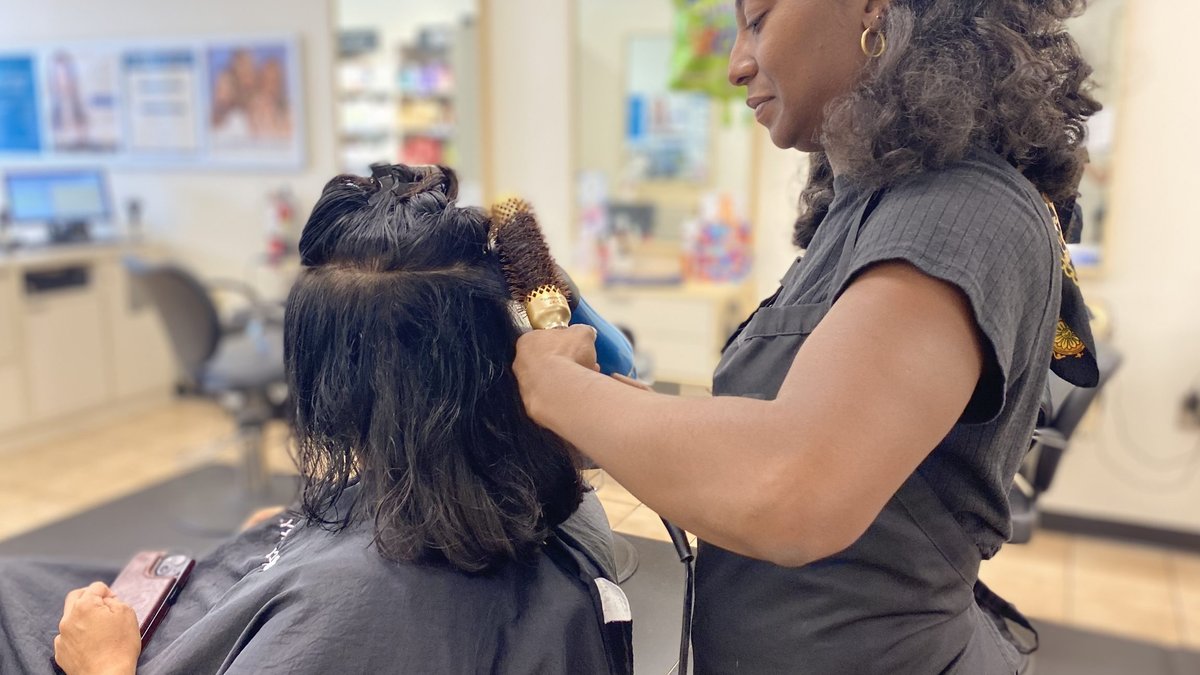
Higher education has long been framed as a gateway to financial stability, yet for many students, the reality is starkly different. Graduates often face mounting debt and limited job prospects, raising concerns about the value of certain programs. Last summer, Congress introduced the “One Big Beautiful Bill,” which aimed to improve accountability in higher education. The law includes measures to streamline repayment options and set earnings benchmarks, ensuring degrees provide financial benefits over high school diplomas alone. These steps are significant, but they overlook a critical gap: certificate programs, particularly cosmetology schools, which often fail to deliver on their promises.
Related: What Is A Bitcoin Forex Broker, How Does It Work, And Use It
Certificate programs are the fastest-growing sector in higher education, with over 1,280 programs enrolling more than 220,000 students annually. About 80% of these students attend for-profit institutions, many of which have faced scrutiny for predatory practices. Cosmetology schools, which make up 45% of certificate programs, are a prime example. Their history dates back to the 1920s, when Hollywood’s influence sparked a boom in beauty trends. Federal policies like the GI Bill later expanded financial aid, creating opportunities for for-profit schools to exploit the system.
By the 1970s, regulators warned that cosmetology schools were causing significant financial waste. Loan officers testified that these schools generated a disproportionate share of defaults, raising concerns about who truly benefited. Today, the same concerns persist. Many cosmetology schools target women and working parents, promising better pay and flexibility. However, research shows that graduates often earn less than high school diploma holders. Annual tuition can reach $20,000, while median salaries hover around $17,000, with student debt averaging $11,000.
Related: 5 Reasons to Invest in Campus Security Guard Services
Exploitative practices are common. Some schools require students to work unpaid shifts, handling haircuts and manicures while the institution collects revenue. Despite these issues, cosmetology schools have resisted reforms. The American Association of Cosmetology Schools (AACS) has lobbied against earnings standards, arguing that unreported tips skew data. Meanwhile, these schools disproportionately affect low-income women and women of color, deepening cycles of poverty.
Related: Navigating Web Hosting Costs 2025: What To Expect?
The “One Big Beautiful Bill” offered a chance to address these issues, but it exempted certificate programs, including cosmetology schools. The Department of Education’s “do no harm” proposal aims to hold all programs accountable, but final rules remain pending. Congress must revise statutes to ensure all certificate programs meet earnings standards. Schools failing to deliver value should lose federal loan access, forcing them to reform or close. If cosmetology schools and similar programs are to survive, they must prove their worth beyond empty promises.


